


How Stress Can Exacerbate Anxiety, Stomach, Hair, and Skin Problems

If you’ve ever found yourself asking, “Is this normal?” after experiencing a bad stomach, breakouts, or heightened anxiety during a stressful time, you’re not alone. Stress is one of those invisible forces that can wreak havoc on our bodies in more ways than we might think. While we often associate stress with feeling mentally overwhelmed, its impact extends far beyond our thoughts—it can significantly affect our physical health too.
Let’s dive into how stress may be affecting your anxiety, digestion, hair, skin, and more, and why these changes might actually be a call for some serious self-care.
Anxiety: The Stress-Anxiety Cycle
Stress and anxiety are closely linked, often feeding off each other. When we experience stress, our bodies release hormones like cortisol and adrenaline. These “fight or flight” hormones are designed to help us in short bursts of danger, but when stress is chronic, they can keep anxiety heightened for prolonged periods. You might notice you’re more on edge, have racing thoughts, or find it difficult to concentrate. Worse yet, once anxiety kicks in, it can add another layer of stress, creating a vicious cycle that’s tough to break.
This is normal, but it’s also a red flag that you need to address the root cause of your stress before it spirals
Stomach Problems: The Gut-Brain Connection
Have you ever had a “gut feeling” about something? There’s science behind that. The gut and brain are connected via the vagus nerve, forming what’s called the “gut-brain axis.” When you’re stressed, your brain sends signals to your gut, which can lead to a variety of digestive issues—think bloating, stomach cramps, or even diarrhea.
Stress can slow down or speed up digestion, depending on how your body reacts. For some, this might manifest as constipation, while others may experience nausea or even irritable bowel syndrome (IBS) flare-ups. These symptoms are common in stressful periods, but chronic stress can worsen them, making it all the more important to manage your mental health.
Hair and Skin: The External Signs of Internal Stress
Hair thinning, shedding, or dullness can be alarming but is often a normal response to prolonged stress. Stress can trigger a condition called telogen effluvium, where hair follicles enter a resting phase, leading to increased shedding. Although this hair loss is usually temporary, it’s a clear signal that your body is feeling the strain.
Your skin may also bear the brunt of stress. Increased cortisol levels can make your skin oilier, leading to breakouts or worsening conditions like eczema or psoriasis. Stress also affects the skin’s barrier function, reducing its ability to hold onto moisture, which can lead to dryness or irritation
Sleep Disruptions: How Stress Hijacks Your Rest
Stress can significantly impact your ability to fall asleep or stay asleep, leaving you feeling even more fatigued during the day. Lack of sleep, in turn, increases cortisol levels, creating a feedback loop of stress and sleeplessness. If your mind is racing with worry as soon as your head hits the pillow, it’s not your imagination—stress really can hijack your rest.
Why This All Happens—and What You Can Do About It
When your body perceives stress, it shifts resources to help you survive the perceived threat. Energy is diverted from “less important” systems like digestion, hair growth, and skin repair to focus on immediate survival. The problem arises when this state of stress becomes chronic. Your body never gets a chance to reset and recover, leaving you feeling drained and your body vulnerable to various symptoms.
Here are a few ways to break the cycle and minimize stress-related symptoms:
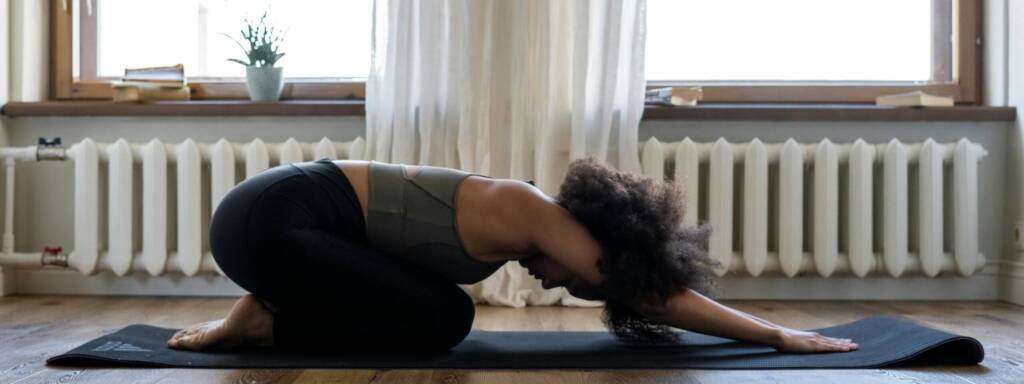
- Mindfulness & Relaxation: Practices like deep breathing, meditation, or yoga can help activate the parasympathetic nervous system, bringing your body into a state of calm.
- Nutrition: A healthy diet rich in whole foods can support both your gut and mental health. Include fiber, omega-3s, and antioxidant-rich foods to help combat stress from the inside out.
- Physical Activity: Exercise is a great stress-reliever and can help with sleep issues. Even a 30-minute walk can do wonders.
- Seeking Support: Sometimes, managing stress on your own isn’t enough. If stress is significantly affecting your life, seeking support from a therapist, dietitian, or healthcare professional can provide the tools you need.
The Bottom Line
While it’s normal to experience physical symptoms when you’re stressed, it’s important to listen to your body. Those breakouts, stomach issues, and bouts of anxiety are all signals that you might need to slow down and prioritize your wellbeing. Taking steps to manage stress can not only improve these symptoms but also your overall quality of life.
So, if you’re wondering, “Is this normal?”—yes, it probably is. But it’s also a reminder to give yourself the care and attention you deserve.
If something really feels off, the best practice is to see a healthcare practitioner. Whether it’s for reassurance or to address an underlying condition, getting a professional’s insight in this instance ensures you’re taking the best care of yourself and empowering yourself with the knowledge you need for your long-term health. You know your body best!